Tripura is a small, hilly state in northeast India, bordered on three sides by Bangladesh. It has long been home to indigenous communities such as the Tripuri, Reang, Jamatia and others, whose languages, dances and crafts remain an important part of its identity. Tradition traces the kingdom's origins to very ancient times, and the Rajmala, a royal chronicle written in verse, records a long line of kings. While the earliest parts of the chronicle mix history with legend, it remains an important source for the region's past.
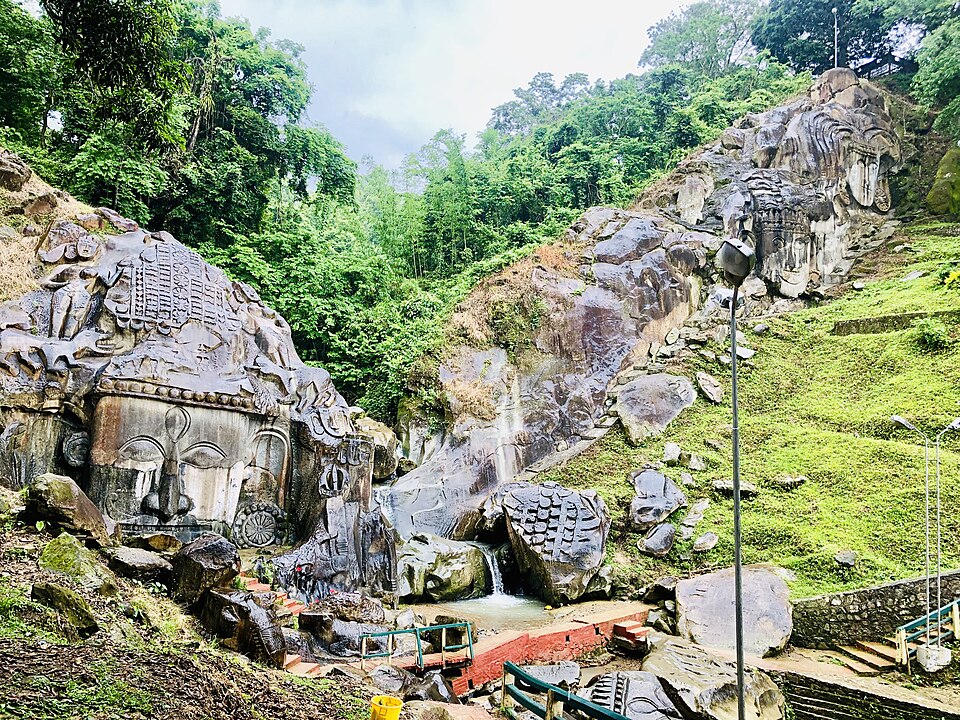
Some of Tripura's most striking monuments date from the early medieval period. At Unakoti, in the north of the state, enormous Shaiva figures are carved into a forested hillside, including a giant head of Shiva, and are generally dated to around the 8th to 9th century. At Pilak in the south, archaeologists have found terracotta plaques, stupa remains and both Buddhist and Hindu sculpture from roughly the 8th to 12th century, showing links with Bengal and the wider Buddhist world. Both sites are rewarding places for travellers interested in art and archaeology.
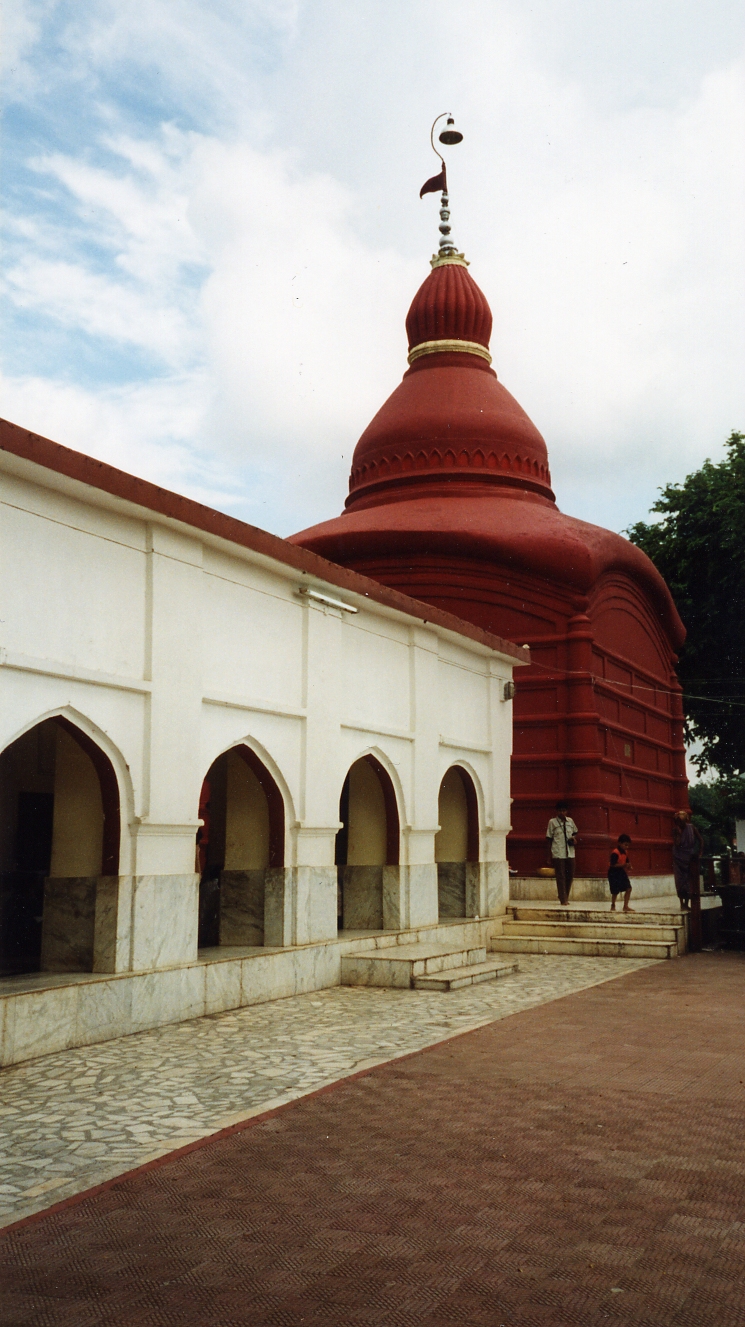
From around the 15th century Tripura was ruled by the Manikya dynasty, one of the longest ruling royal houses in the region. At its height the kingdom extended well into the plains of present day Bangladesh. The capital for much of this period was at Udaipur, then called Rangamati, where King Dhanya Manikya built the Tripura Sundari Temple around the beginning of the 16th century. It is revered as one of the Shakti Peethas and remains a major pilgrimage site. Over the following centuries the kingdom fought frequent wars with the Bengal Sultanate and later the Mughals, who took control of much of its lowland territory.
When the British East India Company gained control of Bengal in the second half of the 18th century, the plains held by Tripura's rulers came under British administration, while hill Tripura continued as a princely state under the Manikyas. The capital moved from Udaipur to Old Agartala and then, in the 19th century, to the present city of Agartala. Later rulers, especially Bir Chandra Manikya, encouraged education, art and literature and had close ties with Rabindranath Tagore, who visited the state several times. The white Ujjayanta Palace, completed in 1901, now houses the Tripura State Museum, and the lake palace of Neermahal was built in the 1930s as a royal summer retreat.
After India's independence in 1947, the regent Maharani Kanchan Prabha Devi signed the agreement by which Tripura merged with India on 15 October 1949. It was first administered directly by the central government as a Part C state, became a Union Territory in 1956, and gained full statehood on 21 January 1972 under the North Eastern Areas (Reorganisation) Act, with Agartala as its capital. The partition of Bengal in 1947 and later events in East Pakistan brought large numbers of refugees into Tripura, reshaping its population and culture.
Today travellers can follow Tripura's history from the rock carvings of Unakoti and the terracottas of Pilak to the temples of Udaipur and the palaces of Agartala, all within a state small enough to explore in a week or so.

 Photo: Sharada Prasad CS, CC BY 2.0


.jpg/500px-Mizoram_Assembly_House_(wider_view).jpg)