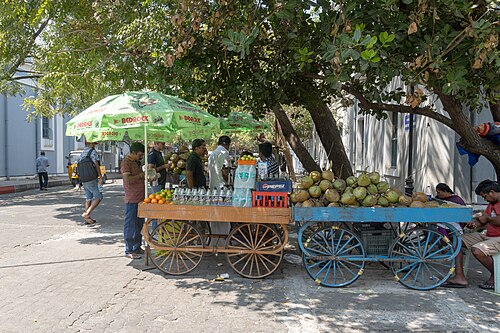
Kerala, the narrow strip of land between the Western Ghats and the Arabian Sea, has been inhabited since prehistoric times. The Edakkal Caves in Wayanad contain rock engravings of human figures, animals and symbols that are thousands of years old. Across the state, archaeologists have found megalithic burials from the Iron Age, including rock cut caves and the stone umbrellas known as kudakkallu. Ashoka's edicts in the 3rd century BCE mention a people called the Keralaputras, among the earliest references to the region.
In the early centuries CE, Kerala was part of the Tamil speaking world described in Sangam literature, and the Chera kings ruled much of the coast. The region became famous for its spices, especially black pepper, which drew traders from Arabia, Greece and Rome. The great port of Muziris, believed to have been near present day Kodungallur, was a centre of this trade, and excavations at Pattanam have revealed Roman pottery and other imported goods. Through these sea routes came many faiths. According to long held traditions, Christianity arrived in the 1st century, and Kerala also has some of the oldest Jewish and Muslim communities in India.
From around the 9th century a later line of Chera rulers governed from Mahodayapuram near Kodungallur. The philosopher Adi Shankara, born at Kalady, is traditionally dated to around the 8th century. After the Chera kingdom broke up in the 12th century, Kerala was divided among several kingdoms, the most important being the Zamorins of Kozhikode, the rulers of Kochi and the kingdom of Venad in the south. During this period Malayalam developed as a language distinct from Tamil.
In 1498 the Portuguese navigator Vasco da Gama landed near Kozhikode, opening a new era of European contact. The Portuguese built forts and trading posts, including at Kochi, and were later replaced by the Dutch. In 1741 Marthanda Varma of Travancore defeated the Dutch at the Battle of Colachel and went on to build a strong kingdom in the south. In the late 18th century Malabar in the north was invaded by Mysore and then came under the British, while Travancore and Kochi became princely states under British protection. Leaders such as Pazhassi Raja and Velu Thampi Dalawa resisted British power in the early 19th century.
The late 19th and early 20th centuries saw powerful movements for social reform led by figures such as Sree Narayana Guru and Ayyankali, who campaigned against caste discrimination. The Vaikom Satyagraha of 1924 to 1925 fought for the right of all people to use the roads near temples, and in 1936 the Temple Entry Proclamation in Travancore opened temples to all Hindus regardless of caste. Kerala also took an active part in the national freedom movement.
After independence, Travancore and Kochi were merged on 1 July 1949 to form the state of Travancore Cochin. On 1 November 1956 the States Reorganisation Act joined this state with the Malabar district and the Kasaragod area, while some southern areas, including Kanyakumari, went to Madras State. The new state of Kerala was born, with Thiruvananthapuram as its capital, and 1 November is still celebrated as Kerala Piravi, the birthday of Kerala. Fort Kochi, the Edakkal Caves and Bekal Fort let visitors explore this layered past today.

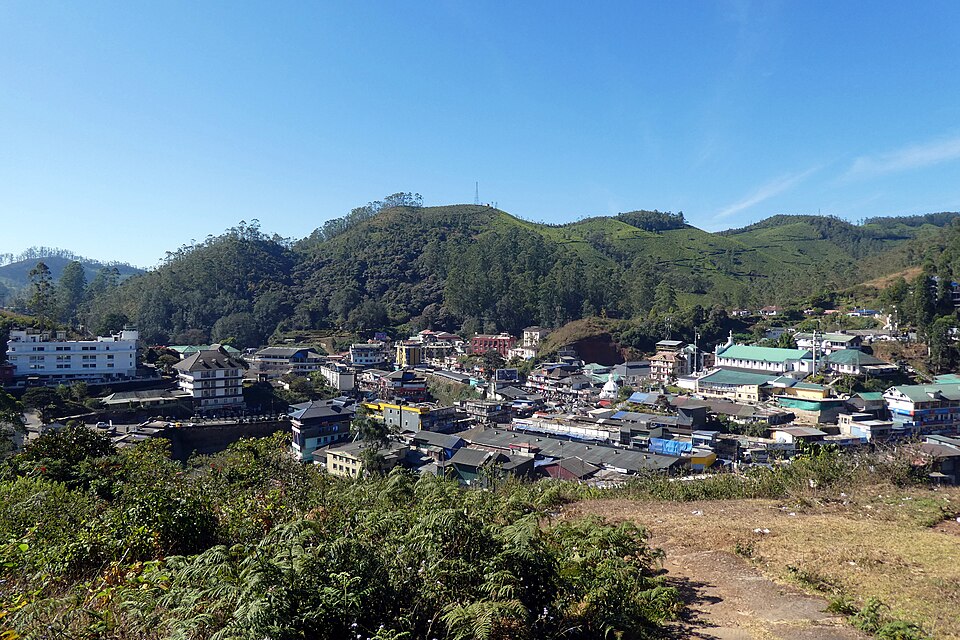 Photo: Kondephy, CC BY-SA 4.0

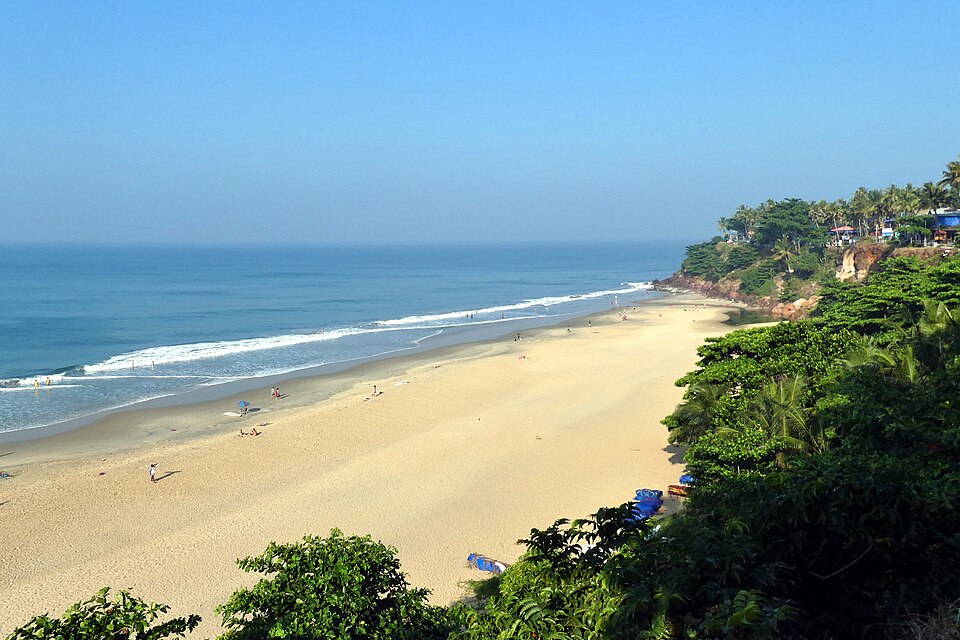


_(cropped).jpg/500px-Wide_angle_of_Galigopuram_of_Virupaksha_Temple,_Hampi_(04)_(cropped).jpg)