Odisha
Home / Guides / Odisha
East India · State

Odisha

Temples, lagoons and turtle beaches

Photo: Subham9423, CC BY-SA 4.0
Capital

Bhubaneswar

Best time to visit

October to March

Getting there

Fly or take a train to Bhubaneswar. Puri and Konark are about an hour away.

Ideal trip

8 to 10 days to cover the highlights

About Odisha

Odisha is India's temple heartland, with Konark and Puri at its core. Beyond them you find Asia's largest brackish lagoon and mangrove forests full of crocodiles.

Plan a trip to OdishaMark it on my map

Popular cities in Odisha

Been to any? Mark them on your India travel map.

AngulBalangirBalasoreBargarhBaripadaBerhampur (Brahmapur)BhadrakBhawanipatnaBhubaneswarBoudhChandipurChhatrapurCuttackDaringbadiDebagarhDhenkanalGopalpurJagatsinghpurJajpurJeyporeJharsugudaKendraparaKendujharKhordhaKonark (Konarak)KoraputMalkangiriNabarangpurNayagarhNuapadaParalakhemundiPhulbaniPuriRayagadaRourkelaSambalpurSubarnapurSundergarh

Top places in Odisha

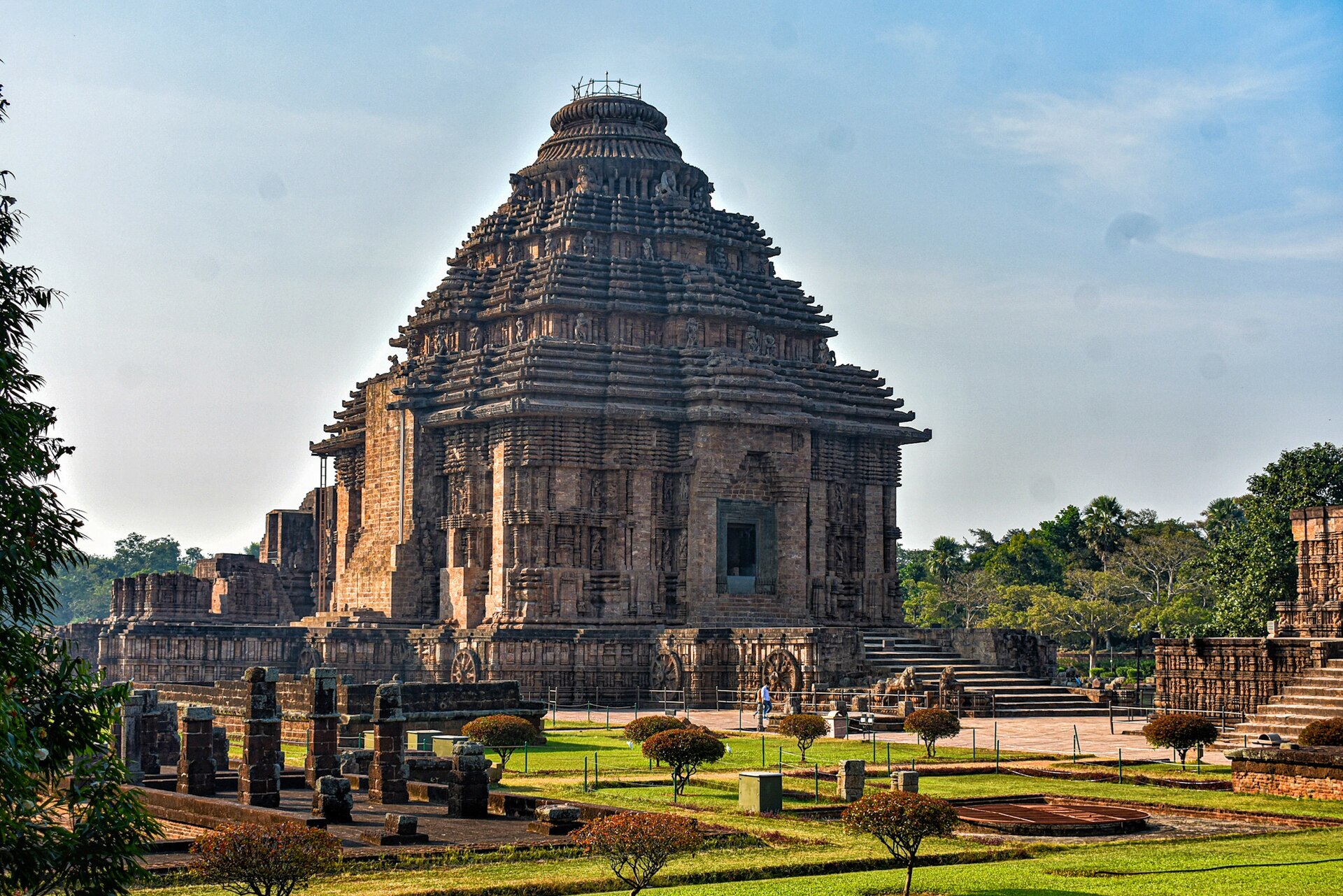
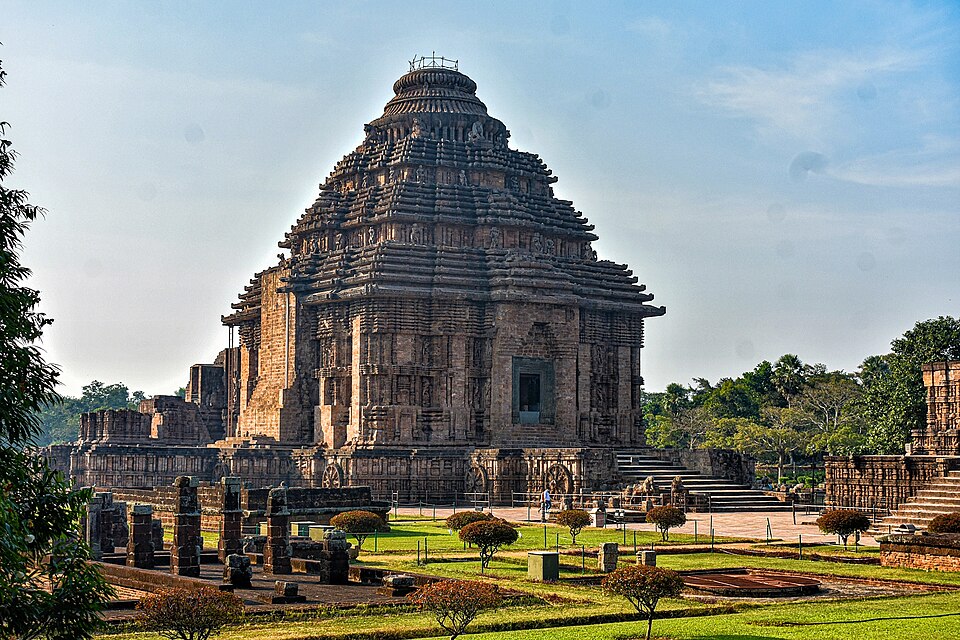
Konark Sun TemplePhoto: Subham9423, CC BY-SA 4.0

Konark Sun Temple

A 13th-century temple designed as the chariot of the Sun god, a UNESCO World Heritage Site.

Best time: October to MarchBase: Puri1 dayHeritage
Directions
From Wikipedia

Konark Sun Temple is a 13th-century CE Hindu Sun temple at Konark about 35 kilometres northeast from Puri city on the coastline in Puri district, Odisha, India. The temple is attributed to king Narasingha Deva I of the Eastern Ganga dynasty about 1250 CE. Dedicated to the Hindu Sun-god Surya, it reflects the pinnacle of Kalingan architecture and artistic excellence, what remains of the temple complex has the appearance of a 30-metre high chariot with immense wheels and horses, all carved from stone.

Read more on Wikipedia ↗

Video by EPIC TV on YouTube

PuriPhoto: Prachites, CC BY-SA 3.0

Puri

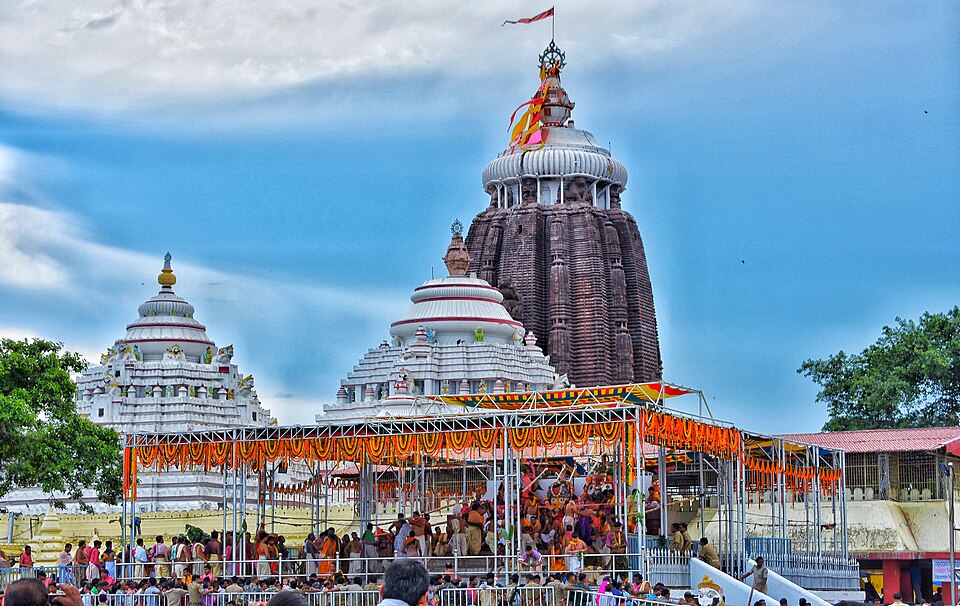
Home of the Jagannath Temple and the Rath Yatra. Only Hindus may enter the temple.

Best time: October to MarchBase: Puri2 daysSpiritualBeach
Directions
From Wikipedia

The Jagannath Temple is a Hindu temple dedicated to Jagannath, a form of Vishnu. It is located in Puri, Odisha, on the eastern coast of India. As per temple records, King Indradyumna of Avanti built the main temple. The present temple complex was rebuilt from the eleventh century onwards on the site of the earlier shrines, excluding the main Jagannath temple, and was begun by Anantavarman Chodaganga, the first ruler of the Eastern Ganga dynasty.

Read more on Wikipedia ↗

Video by Roaming Pigeons on YouTube

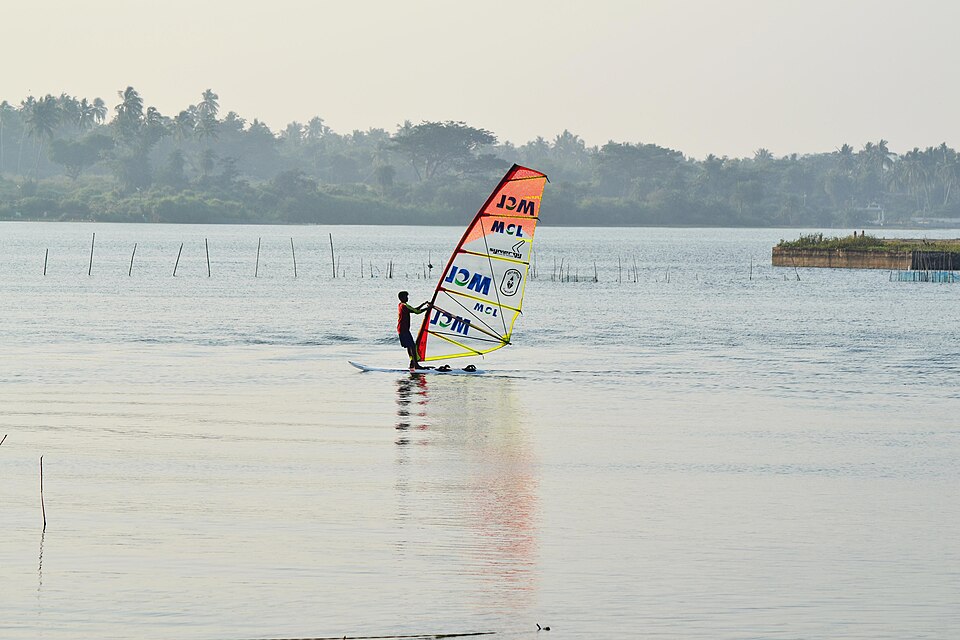
Chilika LakePhoto: Government of Odisha, CC BY 4.0

Chilika Lake

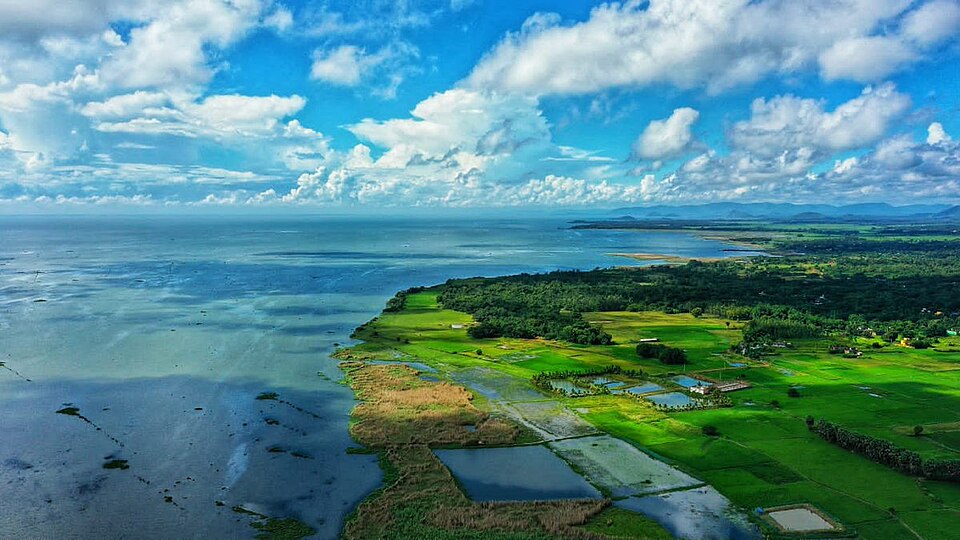
A huge lagoon with Irrawaddy dolphins and a winter bird sanctuary at Nalabana.

Best time: November to FebruaryBase: Satapada1 dayNatureWildlife
Directions
From Wikipedia

Chilika Lake is the largest brackish water lagoon with estuarine characteristics along the east coast of Indian sub-continent in Asia and second largest coastal lagoon in the world, its area ranges from about 900 to 11,165 sq km during summers and monsoon respectively. It is spread over the Puri, Khordha and Ganjam districts of Odisha state on the east coast of India, at the mouth of the Daya River, flowing into the Bay of Bengal.

Read more on Wikipedia ↗

Video by Shekar Dattatri on YouTube

BhubaneswarPhoto: Satyakam Parthasarathy, CC BY-SA 4.0

Bhubaneswar

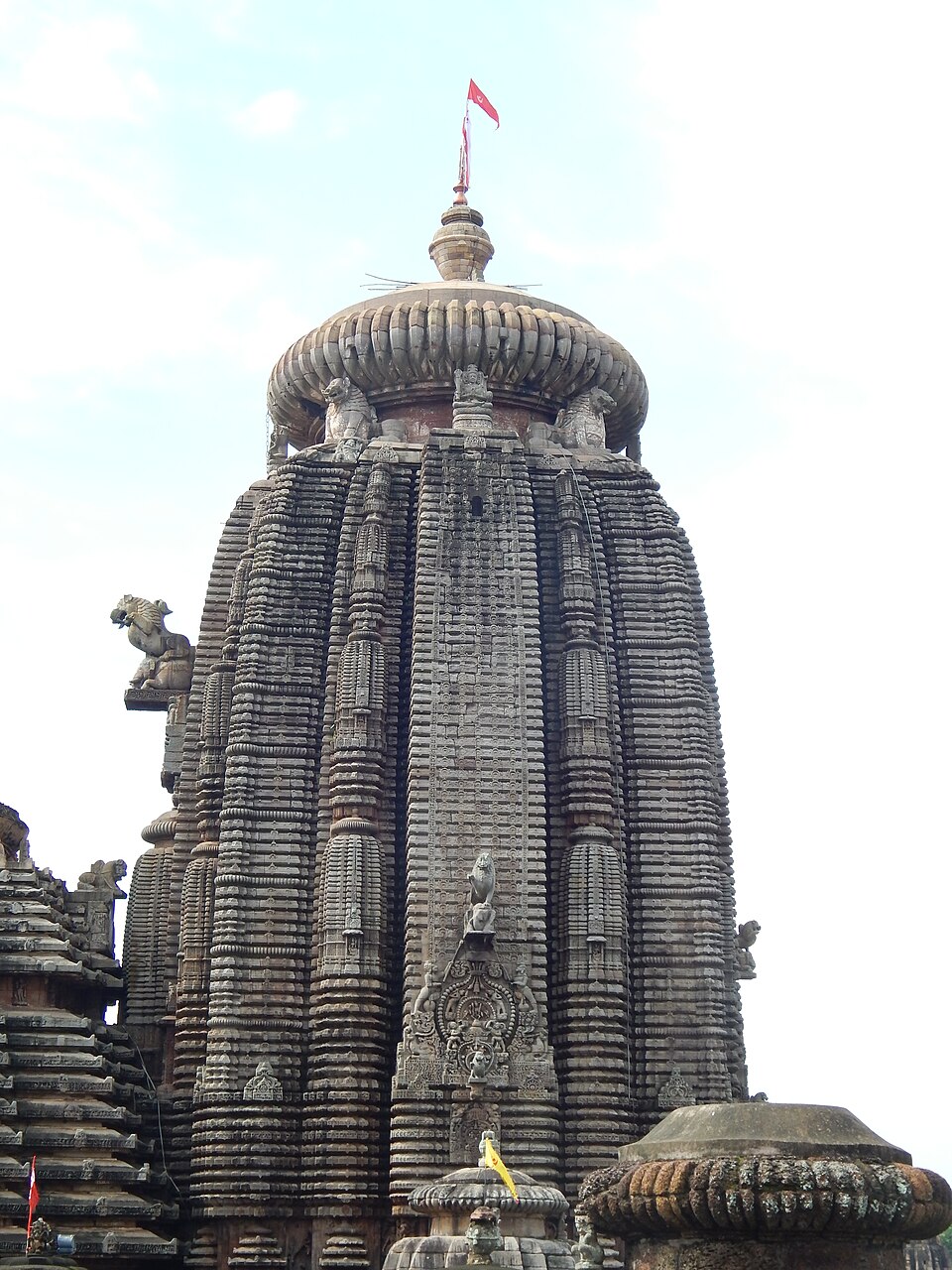
The Temple City, with the Lingaraj and Mukteswar temples and the rock-cut Udayagiri caves.

Best time: October to MarchBase: Bhubaneswar2 daysHeritageSpiritualCity
Directions
From Wikipedia

Lingaraja Temple is a Hindu temple dedicated to Shiva and is one of the oldest temples in Bhubaneswar, the capital of the Indian state of Odisha, India. The temple is the most prominent landmark of Bhubaneswar city and one of the major tourist attractions of the state. Shiva's consort and the temple's presiding Goddess, Parvati, is referred to as Annapurna or Girija. The Lingaraja temple is the largest temple in Bhubaneswar. The central tower of the temple is 180 ft tall.

Read more on Wikipedia ↗
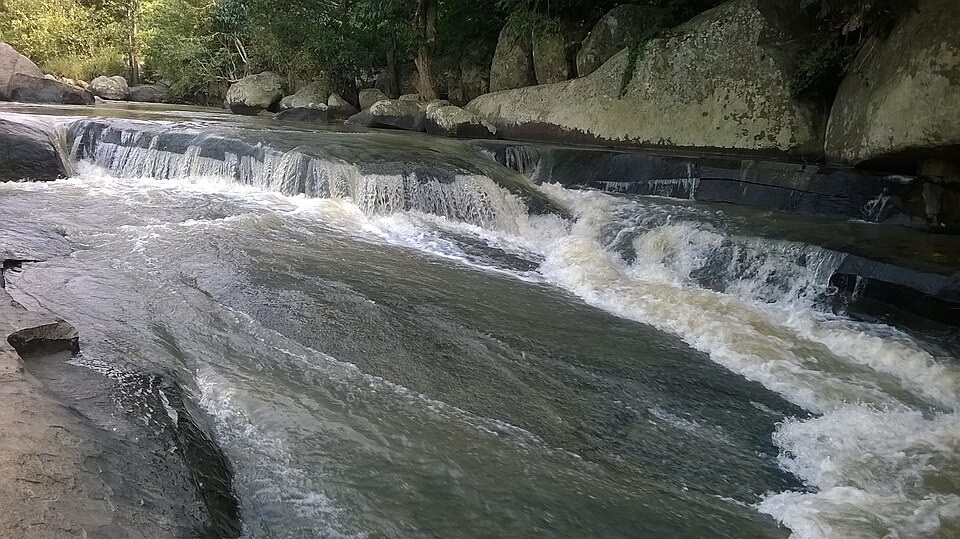
Simlipal National ParkPhoto: Sreejeetmaity1998, CC BY-SA 4.0

Simlipal National Park

A vast tiger reserve with Barehipani and Joranda waterfalls and rare melanistic tigers.

Best time: November to JuneBase: Baripada2 daysWildlifeNature
Directions
From Wikipedia

Simlipal National Park is a national park and tiger reserve in the Mayurbhanj district in the Indian state of Odisha covering 2,750 km2. It is part of the Mayurbhanj Elephant Reserve, which includes three protected areas, Simlipal Tiger Reserve, Hadgarh Wildlife Sanctuary with 191.06 km2 and Kuldiha Wildlife Sanctuary with 272.75 km2. Simlipal National Park derives its name from the abundance of red silk cotton trees growing in the area. The park is home to Bengal tiger, Asian elephant, gaur, and chausingha.

Read more on Wikipedia ↗
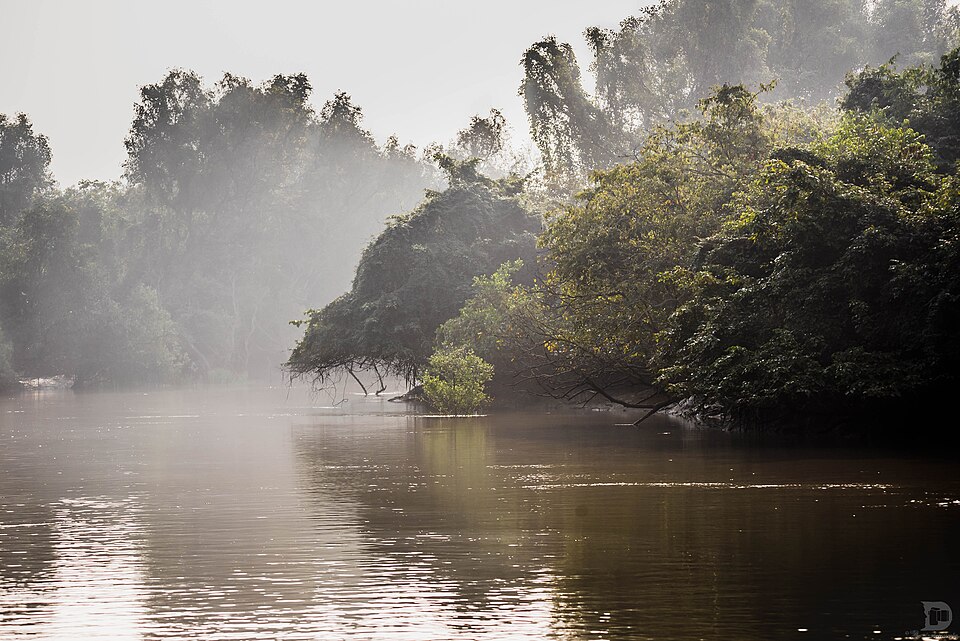
BhitarkanikaHidden gemPhoto: Puru150, CC BY-SA 4.0

Bhitarkanika

Mangrove creeks with large saltwater crocodiles, best explored by boat.

Best time: November to MarchBase: Chandbali2 daysWildlifeNature
Directions
From Wikipedia

Bhitarkanika National Park is a 145 km2 national park in northeast Kendrapara district in Odisha in eastern India. It was designated on 16 September 1998 and obtained the status of a Ramsar site on 19 August 2002. The area is also been designated as the second Ramsar site of the State after the Chilika Lake. It is surrounded by Bhitarkanika Wildlife Sanctuary, which spread over 672 km2. Gahirmatha Beach and Marine Sanctuary are to the east, separating the swamp region and mangroves from the Bay of Bengal.

Read more on Wikipedia ↗

Video by Curly Tales on YouTube

Daringbadi

Pine forests and coffee gardens called the Kashmir of Odisha, where winters can touch freezing.

Best time: October to FebruaryBase: Daringbadi2 daysMountainsNature
Directions
From Wikipedia

Daringbadi is a hill station in Kandhmal district of Odisha state in eastern India. It is situated at an elevation of 915 metres and is a popular tourist destination. Back in the days of the British rule, there was a British officer named Daring Saheb who was in charge of this place. Over the years, this place was named after him, which spelled Daringbadi with Badi meaning village. More than 50% of the population here constitutes Scheduled Tribes, community of aboriginal tribal races.

Read more on Wikipedia ↗
Gopalpur-on-SeaHidden gemPhoto: Gurudattapanda, CC BY-SA 4.0

Gopalpur-on-Sea

A quiet old port town with a lighthouse and a wide, empty beach.

Best time: October to MarchBase: Gopalpur1 dayBeachHeritage
Directions
From Wikipedia

Gopalpur or Gopalpur-on-Sea is a coastal town and a Notified Area Council in Ganjam district in Odisha, India. Gopalpur is around 15 km from Berhampur. Located on the southern part of the state, it was an ancient seaside resort on the shores of the Bay of Bengal, now more associated with its port.

Read more on Wikipedia ↗
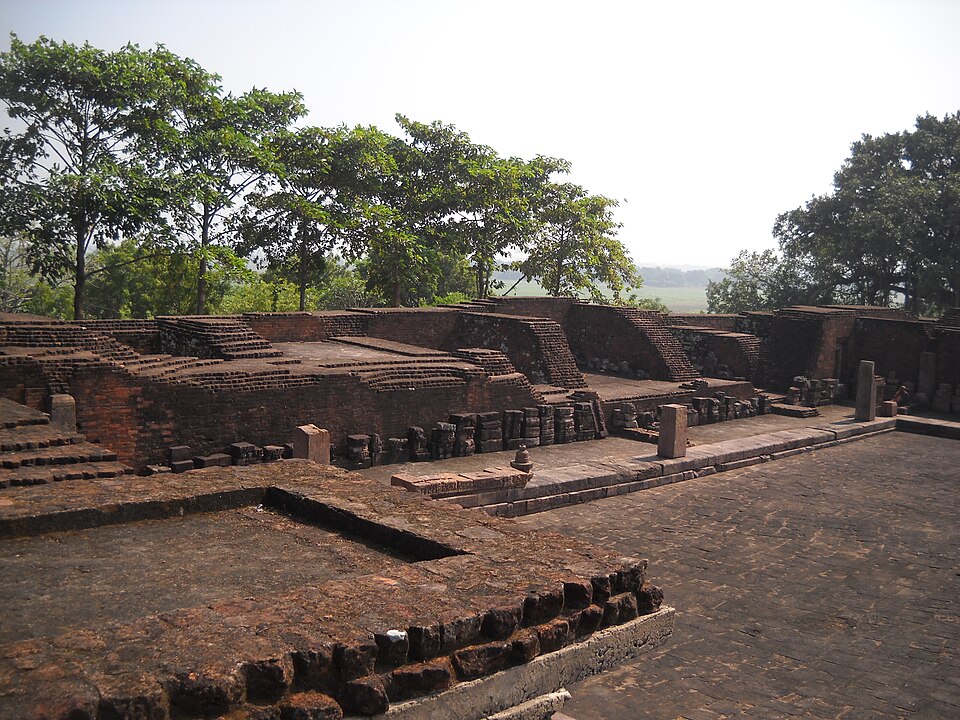
Ratnagiri, Udayagiri and LalitgiriHidden gemPhoto: Mitrabhanu.panda, CC BY-SA 3.0

Ratnagiri, Udayagiri and Lalitgiri

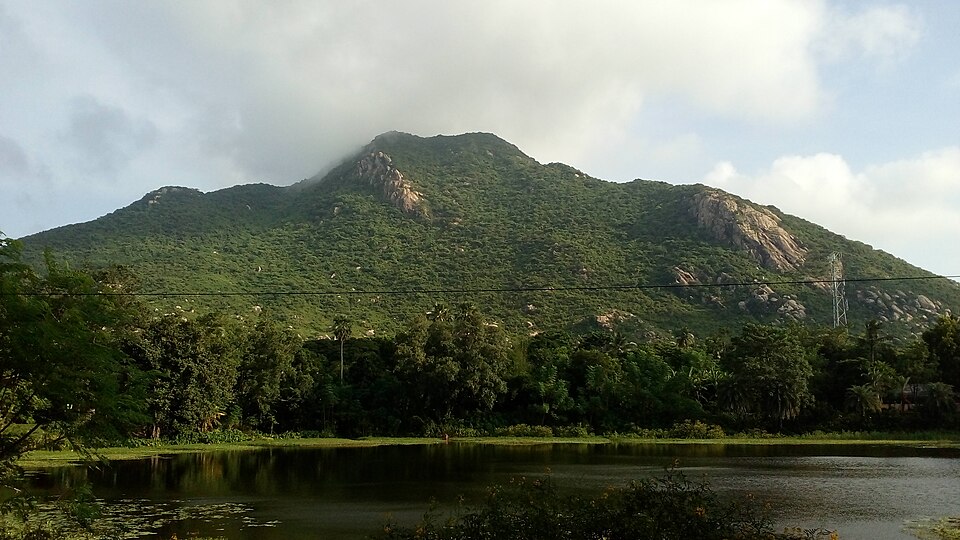
The Diamond Triangle of Buddhist monasteries and stupas in the Assia hills.

Best time: October to MarchBase: Cuttack1 dayHeritageSpiritual
Directions
From Wikipedia

Ratnagiri is the site of a ruined mahavihara, once the major Buddhist monastery in modern Odisha, India. It is located on a hill between the Brahmani and Birupa rivers in Jajpur district. Together with the nearby Buddhist sites of Lalitgiri and Udayagiri it is known as the Diamond Triangle. Ratnagiri is located 100 km from the state capital Bhubaneswar and 70 km from the former state capital Cuttack.

Read more on Wikipedia ↗

Food to try

Dalma, pakhala bhata, chhena poda, rasagola, crab and prawn curries on the coast

Where to stay

Bhubaneswar as the hub, Puri for the beach and temple, Konark and Chilika for day trips

Getting around

Good trains and buses in the Golden Triangle of Bhubaneswar, Puri and Konark

Good to know

Non-Hindus cannot enter the Jagannath temple in Puri. Rath Yatra in June or July is huge; book early.

History of Odisha

Odisha's story begins long before written records, with Stone Age tools found along its river valleys and early farming settlements in its coastal plains. In ancient times the region was known as Kalinga, a powerful maritime land whose traders sailed to Sri Lanka and Southeast Asia. Around the 3rd century BCE the Mauryan emperor Ashoka invaded Kalinga, and the terrible bloodshed of that war is said to have turned him towards Buddhism and non violence. His rock edicts can still be seen at Dhauli, just outside Bhubaneswar, and at Jaugada in the south.

After the Mauryas, Kalinga rose again under King Kharavela of the Mahameghavahana line, who ruled around the 1st century BCE. His achievements are recorded in the Hathigumpha inscription at the Udayagiri and Khandagiri caves near Bhubaneswar, a cluster of rock cut chambers carved for Jain monks. Nearby, the ruins of Sisupalgarh reveal a large fortified city of the same era. Buddhism also flourished here for centuries, and the monastery sites of Ratnagiri, Lalitgiri and Udayagiri in the Jajpur and Cuttack area, often called the Diamond Triangle, are rewarding places to explore.

In the early medieval period a series of dynasties, including the Shailodbhavas, Bhaumakaras and Somavamshis, shaped the region's distinctive temple architecture. Bhubaneswar became a temple city, and visitors can still see the graceful Parasurameswara and Mukteswara temples and the towering Lingaraja temple. The Eastern Ganga dynasty, which rose to power around the 11th to 12th century, gave Odisha its most famous monuments. King Anantavarman Chodaganga is credited with building the great Jagannath Temple at Puri, and in the 13th century King Narasimhadeva I built the Sun Temple at Konark, now a UNESCO World Heritage Site shaped like a giant stone chariot.

From the 15th century the Gajapati rulers of the Suryavamsi line held a large kingdom stretching far beyond present day Odisha. In the second half of the 16th century the region fell to the Afghan rulers of Bengal and then to the Mughals, and in the 18th century the Marathas controlled much of it. The British East India Company took over in 1803. Resentment against the new order led to the Paika Rebellion of 1817, led by Bakshi Jagabandhu. A devastating famine struck in 1866, and in the following decades a strong movement grew to protect the Odia language and unite Odia speaking areas, led by figures such as Madhusudan Das and his Utkal Sammilani.

That movement succeeded when Orissa became a separate province on 1 April 1936, a date still celebrated as Utkal Divas. Odisha also played its part in the freedom struggle, with leaders like Gopabandhu Das and a salt satyagraha at Inchudi on the coast. After independence in 1947, the many princely states of the region, including Mayurbhanj, were merged into Orissa between 1948 and 1949. The capital moved from the historic city of Cuttack to a newly planned Bhubaneswar, built beside the old temple town from the late 1940s onwards. In 2011 the state's name was officially changed from Orissa to Odisha.

For travellers, Odisha's past is unusually easy to touch. In a single trip you can stand where Ashoka's edicts were carved, climb into Jain caves, wander among Buddhist monasteries and watch pilgrims gather at Puri, all within a few hours of Bhubaneswar.
Odisha: quick answers

What is the best time to visit Odisha?

October to March

How do I reach Odisha?

Fly or take a train to Bhubaneswar. Puri and Konark are about an hour away.

How many days do I need for Odisha?

Plan 8 to 10 days to see the highlights, such as Konark Sun Temple, Puri, Chilika Lake.

What food should I try in Odisha?

Dalma, pakhala bhata, chhena poda, rasagola, crab and prawn curries on the coast

Where should I stay in Odisha?

Bhubaneswar as the hub, Puri for the beach and temple, Konark and Chilika for day trips

Neighbouring states

Timings, fees, permits and road conditions change. Please check official sources before you travel.