Goa
Home / Guides / Goa
West India · State

Goa

Beaches, basilicas and Portuguese lanes

Photo: iMahesh, CC BY-SA 4.0
Capital

Panaji

Best time to visit

November to February

Getting there

Goa has two airports (Dabolim and Mopa) and is on the Konkan Railway. Rent a scooter or car to get around.

Ideal trip

6 to 8 days to cover the highlights

About Goa

India's smallest state by area blends beaches, spice farms and four and a half centuries of Portuguese influence. North Goa is lively while the south is calmer.

Plan a trip to GoaMark it on my map

Popular cities in Goa

Been to any? Mark them on your India travel map.

AnjunaCalanguteCanacona (Palolem)MapusaMargao (Madgaon)MorjimOld GoaPanaji (Panjim)PondaQuepemVasco da Gama (Vasco)

Top places in Goa

Old Goa churchesPhoto: iMahesh, CC BY-SA 4.0

Old Goa churches

The Basilica of Bom Jesus and Se Cathedral are part of a UNESCO World Heritage Site of churches and convents.

Best time: November to FebruaryBase: Panaji1 dayHeritageSpiritual
Directions
From Wikipedia

The Basilica of Bom Jesus is a Catholic basilica in Goa, in the Konkan region of India. The church is a pilgrimage centre and recognised by UNESCO as a World Heritage Site. The basilica is located in Old Goa, the former capital of Portuguese India, and holds the body of St Francis Xavier. Bom Jesus is the name used for the Ecce Homo in Portuguese speaking countries. It is one of the Seven Wonders of Portuguese Origin in the World.

Read more on Wikipedia ↗

Video by Amazing Places on Our Planet on YouTube

Palolem BeachPhoto: iMahesh, CC BY-SA 4.0

Palolem Beach

A calm, crescent-shaped bay in South Goa lined with palms and beach huts.

Best time: November to MarchBase: Canacona2 daysBeach
Directions
From Wikipedia

Palolem Beach is in Canacona in Kushavati district, Goa, India.

Read more on Wikipedia ↗

Video by The Wander Life on YouTube

Dudhsagar FallsPhoto: Hsp wiki, CC BY-SA 4.0

Dudhsagar Falls

A four-tiered waterfall on the Goa-Karnataka border, best seen just after the monsoon.

Best time: June to DecemberBase: Mollem1 dayNatureAdventure
Directions
From Wikipedia

Dudhsagar Falls is a four-tiered waterfall on the Mahadayi River in the Indian state of Goa. It is 60km from Panaji by road and is located on the Belagavi–Vasco Da Gama rail route about 46km east of Madgaon and 80km south of Belagavi. Dudhsagar Falls is perched at the top of a crescent shaped valley and surrounded by pristine forests, and it is amongst India's tallest waterfalls with a height of 310 m and an average width of 30 metres.

Read more on Wikipedia ↗

Video by Gypsy in Sneakers on YouTube

Anjuna and VagatorPhoto: Vyacheslav Argenberg, CC BY 4.0

Anjuna and Vagator

North Goa's classic coast of cliffs, flea markets, cafés and sunset at Chapora Fort.

Best time: November to FebruaryBase: Anjuna2 daysBeachFood
Directions
From Wikipedia

Anjuna is a census town located on the coast of North Goa, India. It is one of the twelve comunidades of Bardez. It is widely known as one of Goa's tourist destinations. Its church, St. Michael's Church, Anjuna, founded in 1595, is dedicated to Saint Michael, and celebrates the feasts of Saint Michael and Nossa Senhora Advogada.

Read more on Wikipedia ↗
FontainhasHidden gemPhoto: Kogo, GFDL

Fontainhas

Panaji's Latin quarter of colourful houses, tiled balconies and small cafes.

Best time: November to FebruaryBase: Panaji1 dayHeritageFoodCity
Directions
From Wikipedia

Fontainhas is a settlement in the northern part of the island of Santo Antão, Cape Verde. It is situated near the rocky north coast of the island, two km southwest of Ponta do Sol and 19 km north of the island capital Porto Novo. The settlement includes the smaller villages Corvo and Forminguinhas, about one km west of Fontainhas proper.

Read more on Wikipedia ↗

Video by Sisters vs Globe on YouTube

Bhagwan Mahaveer SanctuaryHidden gemPhoto: AshLin, CC BY-SA 3.0

Bhagwan Mahaveer Sanctuary

Western Ghats forest on the Karnataka border, with Tambdi Surla temple and the trail to Dudhsagar.

Best time: October to MayBase: Mollem1 dayWildlifeNature
Directions
From Wikipedia

Bhagwan Mahaveer Sanctuary and Mollem National Park is a 240 square kilometres protected area located in the Western Ghats of West India, in Dharbandora taluk, Goa State, along the eastern border with Karnataka. The area is situated near the town of Molem, 57 kilometres east of Panaji, the state capital of Goa. National Highway 4A divides it into two parts and the Mormugao - Londa railway line passes through the area. It is located between 15°15"30' to 15°29"30' N and 74°10"15' to 74°20"15' E.

Read more on Wikipedia ↗
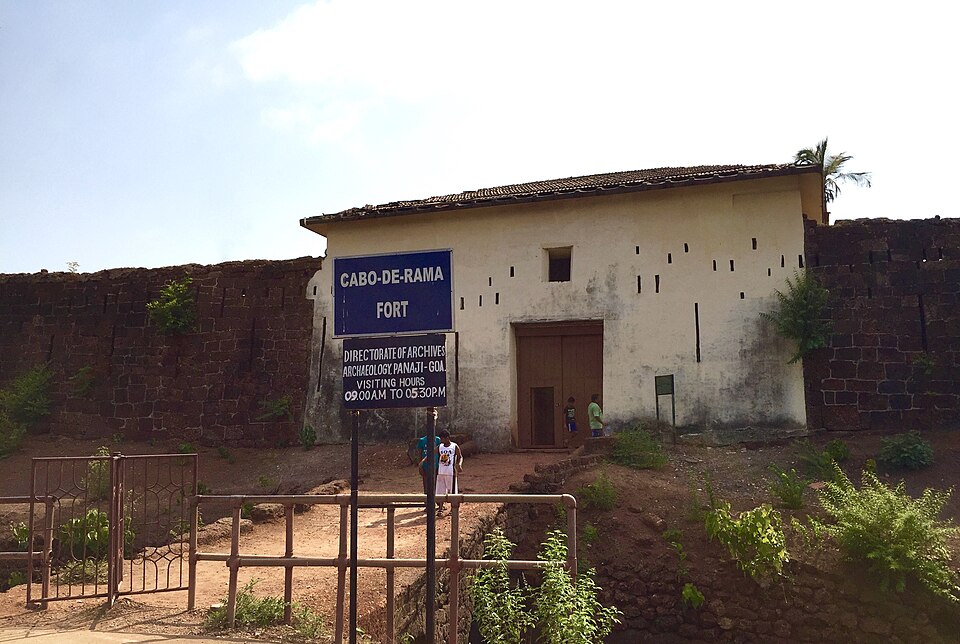
Cabo de RamaHidden gemPhoto: Trinidade, CC BY-SA 4.0

Cabo de Rama

A cliff-top fort above the Arabian Sea in South Goa, with a small chapel and empty coves below.

Best time: November to MarchBase: Agonda1 dayHeritageBeach
Directions
From Wikipedia

Praça do Cabo de Rama, also known as Cabo de Rama Fort, is a medieval hillfort located in Khola village, on the coast of Canacona, Goa in India.

Read more on Wikipedia ↗
Divar IslandHidden gemPhoto: NICOLE CUNCOLIM, CC0

Divar Island

A quiet island of paddy fields and Portuguese houses, reached by a free ferry from Old Goa.

Best time: October to MarchBase: Panaji1 dayCultureNature
Directions
From Wikipedia

The island of Divar lies in the Mandovi river in the Indian state of Goa. It is one of six major islands within the Mandovi, the others being: Ilha de Goa, Chorão, Vanxim, Cumbarjua, St Estevam and Several other small mangrove islands and sand banks.

Read more on Wikipedia ↗

Food to try

Fish curry rice, prawn balchão, pork vindaloo, xacuti, bebinca, feni

Where to stay

North Goa (Anjuna, Vagator) for nightlife, South Goa (Palolem, Agonda) for quiet beaches, Panaji for heritage

Getting around

Rent a scooter or hire a taxi; buses link the main towns. Goa Miles app for cabs

Good to know

Avoid peak Christmas week prices. Carry your licence for scooters and wear a helmet. Swim only at lifeguard flags.

History of Goa

Goa may be famous for its beaches, but it has a long and layered history. Some of the oldest traces of human activity are the prehistoric rock carvings at Usgalimal, on the banks of the Kushavati river in South Goa, which show animals, human figures and symbols. Over time Goa became a natural trading point on the western coast, and its rivers and harbours connected it with the wider Indian Ocean world.

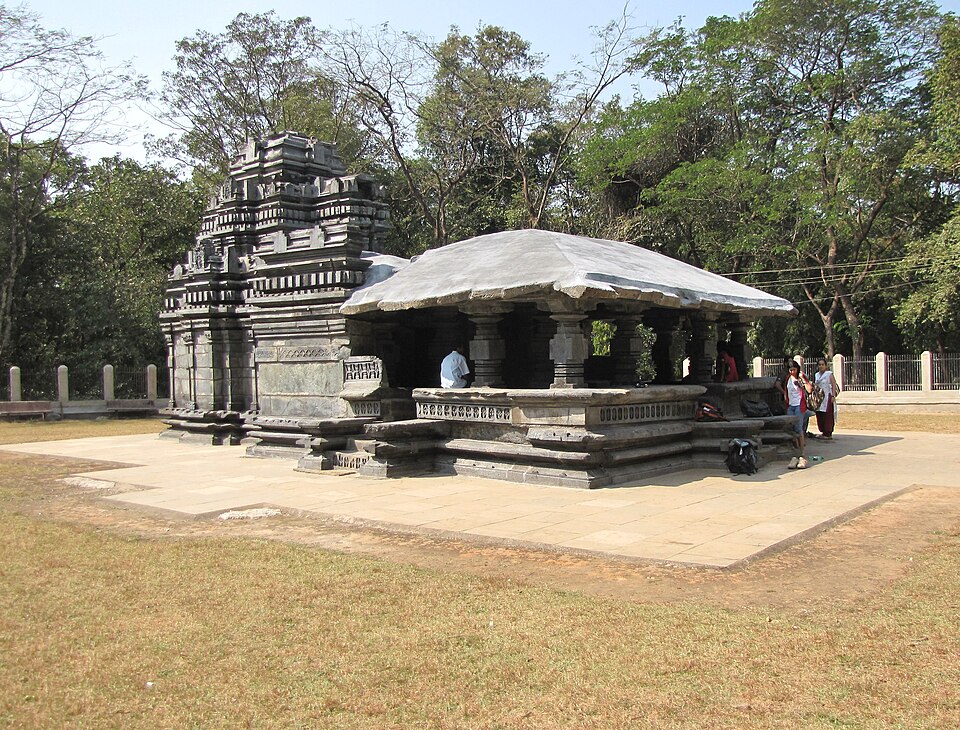
In ancient times Goa came under the influence of several major powers of the Deccan, including the Mauryas and the Satavahanas, followed by local rulers such as the Bhojas. Later it was ruled by the Chalukyas of Badami and the Rashtrakutas. From around the 10th century the Kadamba dynasty of Goa rose to power, ruling first from Chandrapur, near modern Chandor, and later from Gopakapattana on the Zuari river. The Kadambas encouraged trade and built temples, and the Mahadev Temple at Tambdi Surla, a small stone shrine hidden in the forest, is the best surviving example of their architecture.

In the 14th and 15th centuries Goa passed through the hands of the Delhi Sultanate, the Vijayanagara empire and the Bahmani Sultanate. It then became part of the Adil Shahi kingdom of Bijapur, which made Ela, the site of present day Old Goa, an important port. The Safa Masjid at Ponda dates from this Adil Shahi period. In 1510 the Portuguese commander Afonso de Albuquerque captured the city, beginning more than 450 years of Portuguese rule.

Under the Portuguese, Old Goa grew into a grand capital of their Asian empire, and missionaries such as Francis Xavier, who arrived in 1542, made it a major centre of Christianity in Asia. The Basilica of Bom Jesus, which holds the remains of Francis Xavier, and the Se Cathedral are part of the Churches and Convents of Goa, a UNESCO World Heritage Site. The Portuguese also built strong coastal forts such as Aguada and Reis Magos. Many Hindu temples were rebuilt in the interior, around Ponda, during this era. Old Goa declined because of disease and other factors, and the capital was formally shifted to Panjim, now Panaji, in 1843.

Goans resisted colonial rule in different ways over the centuries. The modern freedom movement gained momentum when the socialist leader Ram Manohar Lohia addressed a public meeting in Margao on 18 June 1946, a date now marked as Goa Revolution Day. Even after India became independent in 1947, Goa remained under Portuguese rule. On 19 December 1961 Indian forces entered Goa, and Portuguese rule came to an end. This day is celebrated as Goa Liberation Day.

Goa was then administered as part of the Union Territory of Goa, Daman and Diu. In an opinion poll held in January 1967, the people of Goa chose to remain separate rather than merge with Maharashtra. On 30 May 1987 Goa became a full state of India, with Panaji as its capital, while Daman and Diu continued as a Union Territory. Konkani, the main language of Goa, was added to the Eighth Schedule of the Constitution in 1992. Visitors can explore this past in the churches of Old Goa, the Latin quarter of Fontainhas in Panaji, the temples of Ponda and the coastal forts.

Goa: quick answers

What is the best time to visit Goa?

November to February

How do I reach Goa?

Goa has two airports (Dabolim and Mopa) and is on the Konkan Railway. Rent a scooter or car to get around.

How many days do I need for Goa?

Plan 6 to 8 days to see the highlights, such as Old Goa churches, Palolem Beach, Dudhsagar Falls.

What food should I try in Goa?

Fish curry rice, prawn balchão, pork vindaloo, xacuti, bebinca, feni

Where should I stay in Goa?

North Goa (Anjuna, Vagator) for nightlife, South Goa (Palolem, Agonda) for quiet beaches, Panaji for heritage

Neighbouring states

Timings, fees, permits and road conditions change. Please check official sources before you travel.